Soybean Meal and Soya DOC Export from India: Specifications Feed Buyers Should Request
Learn what feed buyers should define when sourcing soybean meal and soya DOC from India for international supply programs.
By Pragati Global Corporation · September 17, 2026
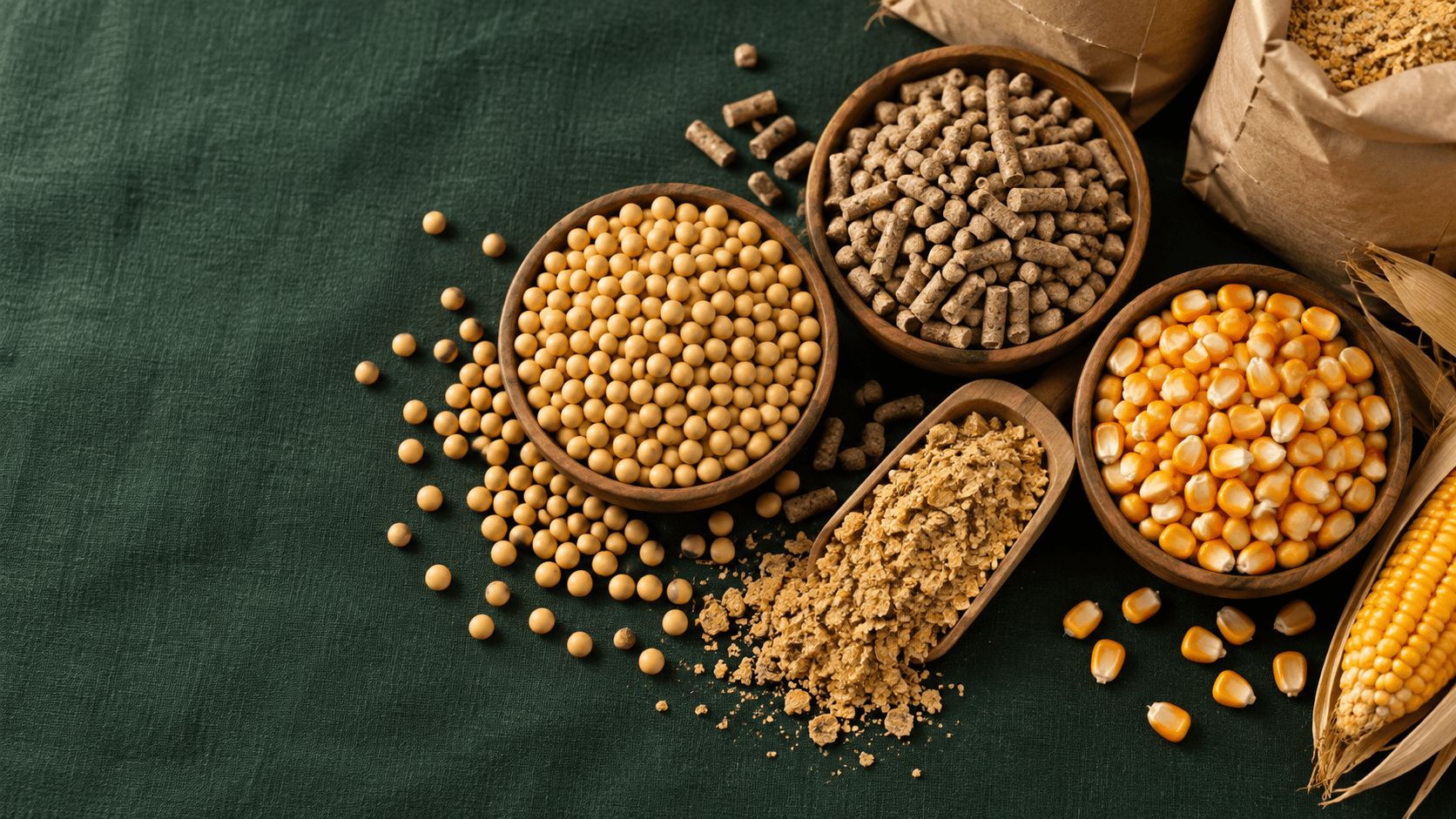
Soybean meal and soya DOC are protein-focused feed ingredients, but the word DOC alone does not describe a complete commercial specification. Pragati Global Corporation encourages buyers to set the agreed product identity and test parameters before pricing a shipment.
Name the product form
Buyer and supplier should distinguish extraction method, dehulling status, heat-treatment expectations and intended feed use. This avoids treating different meals as interchangeable.
The contract should state what the product is, not just its trade shorthand.
Use a specification that can be verified
Feed buyers commonly discuss protein, moisture, fibre, fat, ash, sand or silica, urease activity and relevant contaminants. The correct limits and test methods depend on the use, market and buyer standard.
Pragati Global Corporation can work from the buyer's approved specification or sample requirements rather than publishing one universal promise.
Plan documentation and shipment conditions
Feed ingredients may need market-specific evidence, testing or registrations. Packing, storage and moisture protection should be agreed before dispatch.
For an export quotation, Pragati Global Corporation asks buyers to share the product, required grade, quantity, destination port, packaging preference and intended use. This lets the team respond with a specification-led offer instead of a generic price.
Protein is only the starting point
A protein figure is useful only when buyer and supplier agree how it is expressed and measured. Moisture, fibre, processing status and the intended animal-nutrition application can materially change whether a soymeal or DOC grade is appropriate for a formulation.
Pragati Global Corporation therefore encourages buyers to share their approved feed specification or the limits set by their nutrition team. This keeps commercial offers tied to the product the mill can actually use.
Write feed-risk checks into the contract
A feed buyer may need to consider moisture protection, storage period, microbiological requirements, contaminants, processing indicators and destination-specific rules. The right list depends on the market and the feed program, so it should not be copied blindly from another buyer's order.
The purchase order is the place to make those expectations clear. It should identify the product, agreed analytical basis, packing, inspection requirements and the action to take if a pre-shipment result is outside the agreed range.
- Product identity and process declaration
- Approved analytical limits and methods
- Lot, bagging and moisture-protection plan
- Required certificates and inspection approach
Buyer FAQs
Are soybean meal and soya DOC the same?
They are often used as related trade terms, but the actual product form, processing method and agreed specification must be confirmed in the contract.